
Topics covered in this article:
You've heard of the 7 hills of Rome, but what about the 22 Rioni?
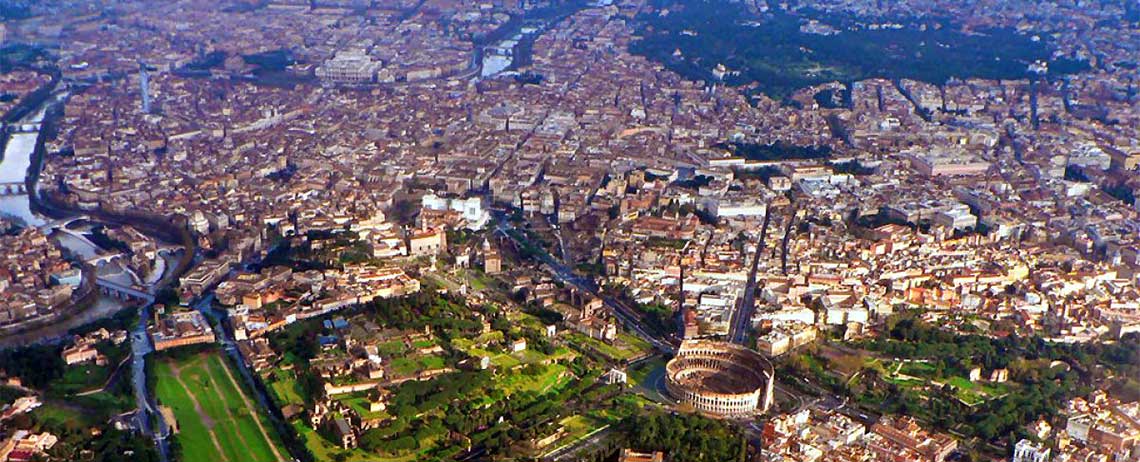

The tradition of the Roman Rioni, or "districts", can be traced back to Servius Tullius, the legendary 6th king of Rome (6th c. BC). Servius initially divided Rome into 4 districts, but as the population in the ancient city grew, the boundaries were stretched. When Augustus came into power as Rome’s 1st emperor in 27 BC, he increased the number of rioni to 14: all but Trastevere—west of the Tiber river—were concentrated around Rome’s seven hills.
In the Middle Ages the boundaries of the 14 rioni were lost as the population moved closer to the river and pesky barbarians demolished everything in sight. The rioni didn’t stay away for long, however. With the large-scale reorganization of the city in the Renaissance, the tradition was revived, maintaining Augustus’s magic number of 14.
In the mid-18th century, Pope Benedict XIV marked the official boundaries with marble plaques (over 200, in fact!) on the borders of each of the neighborhoods. Originally the signs always came in pairs; for example, Rione Trevi would appear right across the street from Rione Colonna. If you only see one rione sign today, that means the building opposite is modern. Most of the plaques are the originals from the 18th century—some restored to their white marble splendor, while others remain filthy from modern pollution. Few people take notice of them in the streets today.
Comments
2 comments
My favorite one is Monti! Even if it is the first in the list, many people miss it, because it is more residential than touristic. A few steps behind the Forum, in between Saint Mary the Major Basilica and the Trajan's Markets, it is a well stratified, built on the slopes of the Quirinal Hill.
If you walk on Via del Boschetto, Via dei Serpenti or Via Panisperna, you will find very nice small restaurants and "enoteche" (Italian for wine bars) and you will meet plenty of locals, because Monti is still one of the neighborhoods where Roman people like to stroll or to meet with friends.
Quiet in the morning, lively at nighttime, it is a place to be discovered to breathe some pure Roman air.
Monti district is historically known like "Suburra", from the Latin Sub-Urbe, "under the City": it has always been the simple, humble district, where the plebeians were used to live during the Roman Empire. Uphill you could encounter Villas for the patricians, downhill were the so called Insulae (Islands) for the lowest classes... This is how it comes that we still say SUBURB to describe a well populated residential district.
Last tip: if you ever go to Monti, do not miss a walk to Via In Selci and Salita del Grillo. Enjoy!
Please sign in to leave a comment.